Sustained global oil rally puts pressure on imports, rupee stability, and economic growth
The sharp and sustained increase in global crude oil prices is emerging as a major concern for the India economy, with experts warning of rising inflation, widening deficits, and potential slowdown in growth. As one of the world’s largest importers of crude, India remains highly exposed to fluctuations in international energy markets, making the current price surge particularly significant.
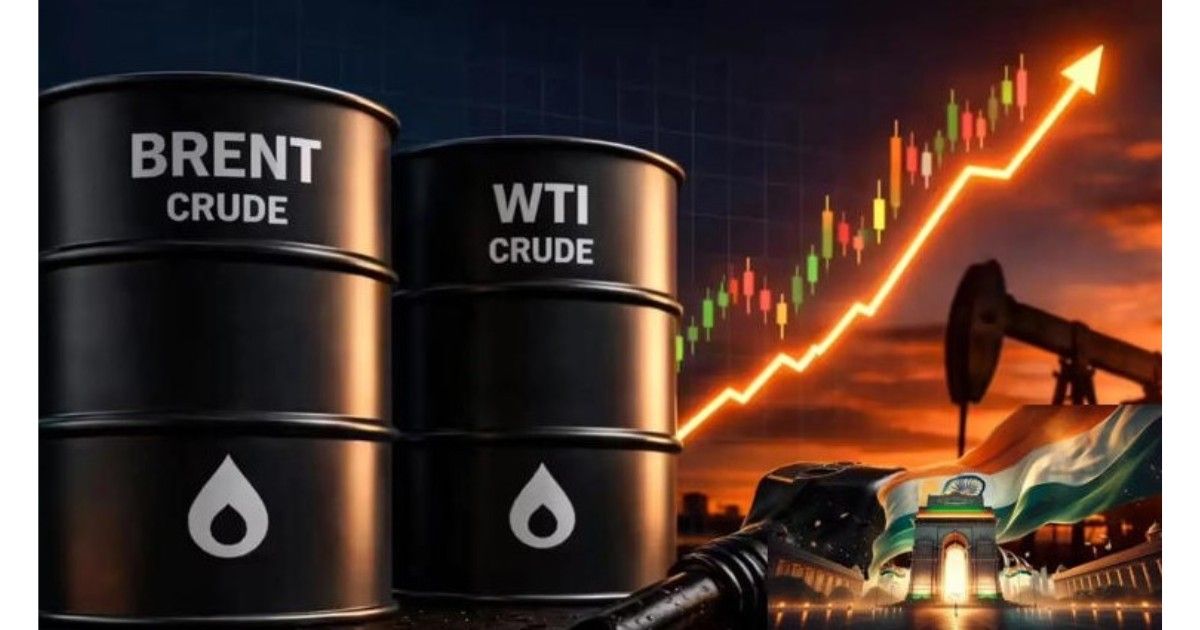
Global crude benchmarks have risen dramatically in recent weeks due to geopolitical tensions in West Asia, especially disruptions linked to the strategically vital Strait of Hormuz. This narrow maritime passage accounts for nearly one-fifth of global oil and gas transportation, and any disturbance in its operations has immediate ripple effects across international markets.
Import Dependency Intensifies Economic Vulnerability
India imports nearly 88 percent of its crude oil requirements, making it extremely sensitive to global price movements. The recent surge has significantly increased the country’s import bill, placing pressure on external balances and government finances.
As crude prices rise, the cost of securing energy supplies increases, leading to higher outflows of foreign exchange. This trend not only impacts trade balances but also contributes to the widening of the current account deficit, a key indicator of economic stability.
The disruption in shipping routes through the Strait of Hormuz has further aggravated the situation. Limited tanker movement and supply constraints have tightened global availability, pushing prices upward and increasing uncertainty in energy markets.
Pressure Mounts on Oil Marketing Companies
The surge in crude oil prices has placed oil marketing companies in a challenging position. Despite government intervention through tax reductions, companies are currently facing losses estimated between ₹22 and ₹28 per litre on petrol and diesel sales.
The central government had earlier reduced excise duties to cushion consumers from rising fuel costs. However, while this move provided temporary relief to households, it has also reduced revenue collections and increased financial strain on fuel retailers.
This delicate balance between protecting consumers and maintaining fiscal health continues to be a key policy challenge.
Fiscal Deficit and Current Account Risks
Economists have raised concerns that sustained high crude oil prices could significantly widen India’s fiscal and current account deficits. Increased spending on imports coupled with reduced tax revenues can strain government finances and limit its ability to invest in development initiatives.
Prashant Vashishtha of ICRA has cautioned that prolonged price increases could disrupt fiscal targets and put additional pressure on economic planning. According to him, the rising oil import bill could lead to a sharp deterioration in macroeconomic indicators if prices remain elevated.
Such developments may also affect investor sentiment, potentially leading to capital outflows and increased volatility in financial markets.
Rupee Weakens Amid Rising Import Costs
The Indian rupee has come under pressure due to rising crude prices, recently breaching the 95 mark against the US dollar. A weaker currency makes imports more expensive, further exacerbating inflationary pressures within the domestic economy.
Currency depreciation also increases the cost of servicing external debt and impacts overall financial stability. As oil prices remain high, the rupee is expected to face continued pressure unless global conditions stabilize.
Inflationary Impact Spreads Across Sectors
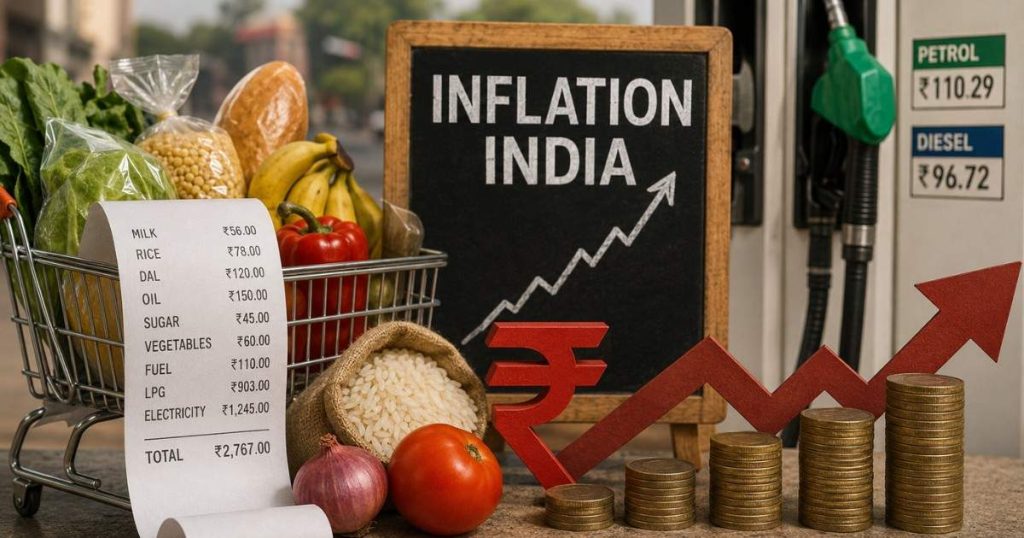
One of the most immediate effects of rising crude prices is the increase in inflation. Higher fuel costs lead to increased transportation expenses, which in turn affect the prices of goods and services across sectors.
From agriculture to manufacturing, the ripple effects of expensive fuel can be seen throughout the economy. Rising input costs often force businesses to pass on the burden to consumers, leading to higher retail prices.
This inflationary trend poses a challenge for policymakers, particularly in maintaining price stability while supporting economic growth.
Geopolitical Tensions Fueling Price Surge
The current surge in crude prices is closely linked to geopolitical developments involving the United States and Iran. Ongoing tensions have disrupted oil supply routes and created uncertainty in global markets.
Donald Trump has reiterated a firm stance on maintaining strategic pressure in the region, while Iran has imposed restrictions on maritime movement. These developments have significantly impacted oil flows through the Strait of Hormuz.
The lack of progress in diplomatic negotiations has further prolonged the crisis, limiting the chances of immediate relief in oil prices.
Global Supply Chain Disruptions Continue
The blockage and restrictions in key shipping lanes have disrupted global supply chains, affecting not only oil but also related industries. Delays in shipments and increased transportation costs have added to the overall economic burden.
Countries dependent on energy imports, including India, are particularly vulnerable to such disruptions. The situation has also forced refiners to explore alternative supply routes, which often involve higher costs and longer transit times.
Limited Relief Despite Diplomatic Efforts
Although there have been discussions around ceasefires and peace negotiations, tangible progress remains limited. Oil infrastructure and supply chains disrupted during the conflict cannot be restored immediately, even if tensions ease.
Experts believe that the market may continue to experience volatility in the near term, with prices remaining elevated until supply conditions improve significantly.
Economic Growth Faces Headwinds
Rising crude oil prices can act as a drag on economic growth by increasing costs for businesses and reducing disposable income for consumers. Higher fuel prices can limit spending, affecting demand across sectors.
For a growing economy like India, sustained high oil prices pose a risk to growth momentum. Industries such as transportation, aviation, and manufacturing are particularly sensitive to fuel costs, making them vulnerable to prolonged price increases.
Policy Challenges and Strategic Response
The government faces a complex challenge in managing the impact of rising crude prices. It must balance the need to protect consumers with the necessity of maintaining fiscal discipline and supporting economic growth.
Possible measures include further tax adjustments, increased subsidies, or the use of strategic reserves. However, each of these options comes with its own set of trade-offs and implications.
Energy Security Becomes a Priority
The current situation underscores the importance of energy security for India. Reducing dependence on imported crude through diversification and investment in renewable energy sources is becoming increasingly critical.
Efforts to expand domestic production, promote alternative fuels, and enhance strategic reserves are expected to play a key role in mitigating future risks.
Outlook Remains Cautious Amid Uncertainty
As global tensions continue to influence oil markets, the outlook remains uncertain. While short-term volatility is expected to persist, long-term strategies focused on energy diversification and efficiency could help stabilize the economy.
Inputs & Images: Hindusthan Samachar
Edited By: Akshaya Polepalli
Also Read: HUL Q4 Results: Net Profit Rises 21% to ₹2,994 Crore as Growth Momentum Strengthens
Follow us on google news: Click Here