PM Modi urges record turnout in West Bengal elections Phase-2, calling on women and youth to vote as polling begins across 142 constituencies.
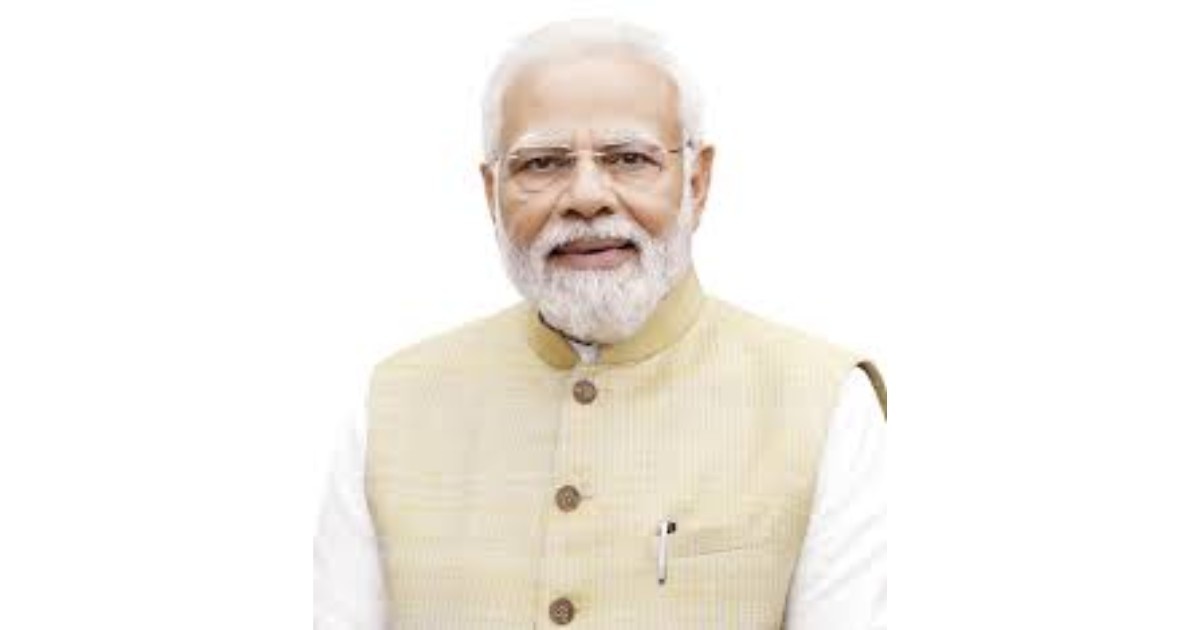
Prime Minister Narendra Modi on Tuesday appealed to voters in West Bengal to turn out in record numbers as the state entered Phase-2 of the high-stakes Assembly Elections 2026. Emphasising the importance of participatory democracy, the Prime Minister urged citizens—especially women and young voters—to exercise their franchise and strengthen the democratic fabric of the country.
Polling in Phase-2 began across 142 constituencies amid tight security arrangements and heightened political activity, building on the massive turnout recorded in the first phase. The appeal from the Prime Minister comes at a time when voter participation is being closely watched as a key indicator of public sentiment in one of India’s most politically significant states.
A Call for Mass Participation in Democracy
In a message shared publicly, Narendra Modi said that large-scale participation in elections is essential to keeping democracy vibrant and inclusive. He urged voters not only to cast their ballots but to do so in unprecedented numbers.
“Today is Phase-2 of the West Bengal Assembly Elections 2026. Urging all those voting today to do so in record numbers and make our democracy more vibrant as well as participative,” the Prime Minister said.
He placed special emphasis on the role of women and youth, noting that their participation has the potential to shape the direction of governance and development in the state. According to him, these sections of society represent the future of democratic engagement and must play a central role in electoral processes.
Phase-2 Polling: Key Details and Significance
The second phase of polling is being conducted across 142 constituencies, covering a mix of urban, semi-urban and rural regions. These seats are considered crucial in determining the overall outcome of the election, as they include politically sensitive and strategically important areas.
The Election Commission of India has overseen the arrangements for this phase, ensuring that polling is conducted smoothly and securely. Voting began at 7 a.m. and is scheduled to continue until 6 p.m., allowing voters ample time to participate.
More than 3.21 crore voters are eligible to cast their votes in this phase, choosing from a pool of 1,448 candidates representing various political parties and independent platforms.
From Eight Phases to Two: A Strategic Shift
One of the most notable aspects of the 2026 elections is the reduction in the number of polling phases. Unlike the 2021 Assembly elections, which were conducted in eight phases, the current election is being held in just two phases.
This decision by the Election Commission of India reflects efforts to streamline the electoral process while maintaining security and efficiency. The move has also been seen as an attempt to reduce prolonged political campaigning and administrative strain.
Phase-1, held on April 23, covered 152 constituencies and witnessed a historic turnout, setting the stage for an equally significant Phase-2.
Record Turnout in Phase-1 Sets the Tone
The first phase of the election recorded an impressive 92.72 percent voter turnout, the highest since India’s Independence. This remarkable participation has raised expectations for Phase-2, with political parties and observers keenly watching whether the trend will continue.
The high turnout in Phase-1 was marked by strong participation from:
- Women voters
- First-time voters
- Rural communities
- Urban middle-class citizens
Districts such as Paschim Medinipur showed particularly high engagement, reflecting widespread enthusiasm for the electoral process.
The strong turnout has also been interpreted as a sign of increased political awareness and voter mobilisation across the state.
Political Stakes and Key Contest
The 2026 Assembly elections in West Bengal are being closely watched due to the intense competition between major political parties, primarily the Bharatiya Janata Party (BJP) and the ruling Trinamool Congress (TMC).
The outcome of these elections is expected to have significant implications for:
- State governance
- National political dynamics
- Future electoral strategies
Political parties have deployed extensive campaign efforts, including rallies, roadshows, and digital outreach, to connect with voters across regions.
Security Arrangements and Polling Environment
Given the high stakes, elaborate security arrangements have been put in place to ensure peaceful polling. Central armed police forces, state police personnel, and surveillance teams have been deployed across sensitive and highly sensitive polling stations.
The Election Commission of India has implemented:
- Live video monitoring systems
- Quick response teams
- Special observers in vulnerable areas
These measures aim to prevent any untoward incidents and ensure that voters can exercise their franchise without fear or intimidation.
Reports from the ground indicate that polling has largely been peaceful, with voters turning up in large numbers at several locations.
Women and Youth: The Driving Force
A key theme of the Prime Minister’s appeal was the importance of women and youth participation. Over the years, these groups have emerged as decisive factors in electoral outcomes.
Women Voters
Women voters have shown increasing participation in elections, often surpassing male turnout in several regions. Their voting patterns are also becoming more independent and issue-based.
Youth Participation
Young voters, particularly first-time voters, represent a significant portion of the electorate. Their engagement is crucial in shaping the future political landscape.
By urging these groups to participate actively, Narendra Modi highlighted their role in strengthening democracy.
Election Commission’s Role in Ensuring Fair Polls
The Election Commission of India has played a central role in managing the electoral process, ensuring transparency, fairness, and efficiency.
Key initiatives include:
- Deployment of adequate security forces
- Monitoring of campaign activities
- Ensuring compliance with the Model Code of Conduct
- Facilitating voter awareness programmes
The Commission has also focused on increasing voter turnout through awareness campaigns and outreach initiatives.
Counting Day and What Lies Ahead
Voting for both phases will conclude by the end of Phase-2, with counting scheduled for May 4, 2026. The results are expected to provide clarity on the political direction of the state.
Political analysts believe that:
- High voter turnout could lead to unpredictable outcomes
- Regional dynamics will play a crucial role
- Marginal shifts in voter preference may impact results significantly
The results will not only determine the next government in West Bengal but also influence national political narratives.
Democracy in Action: A Defining Moment for Bengal
The ongoing elections represent more than just a political contest—they are a reflection of democratic participation at scale. The call by Narendra Modi for record turnout underscores the importance of citizen engagement in shaping governance.
As voters head to polling stations across the state, the emphasis remains on peaceful, free, and fair elections. The enthusiasm witnessed so far suggests that democracy continues to thrive through active public participation.
With Phase-2 underway, all eyes are now on voter turnout figures and emerging trends, which will ultimately determine the course of West Bengal’s political future.
Inputs & Images: Hindusthan Samachar
Edited By: Akshaya Polepalli
Also Read: Global Market Trends: Asian Markets Mixed as Wall Street Weakness Weighs on Sentiment
Follow us on google news: Click Here