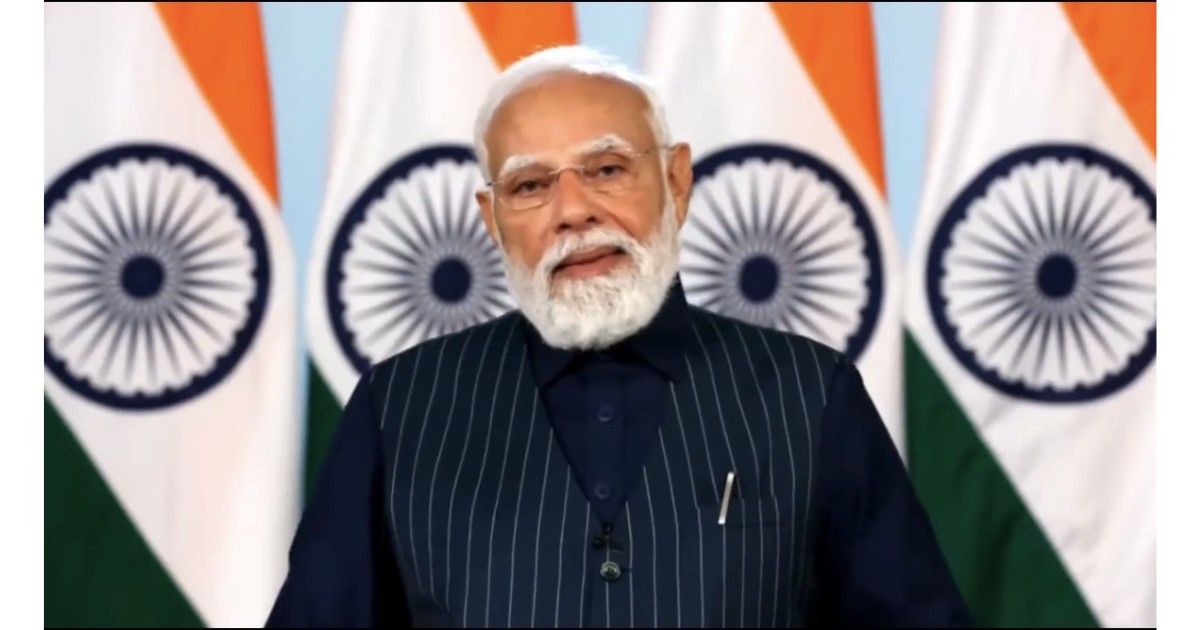
Prime Minister Narendra Modi paid homage to the martyrs of the Jallianwala Bagh Massacre on its anniversary, remembering their sacrifice as a defining moment in India’s freedom struggle and a lasting symbol of courage and resilience.
In a message shared on social media platform X, the Prime Minister described the victims’ sacrifice as an enduring source of inspiration for generations, emphasizing their role in strengthening the nation’s commitment to liberty, justice, and human dignity.
Tribute to a Defining Chapter in India’s Freedom Struggle
Marking the anniversary of one of the most tragic events in India’s colonial history, Modi reflected on the courage displayed by unarmed civilians who gathered peacefully at Jallianwala Bagh in 1919. He noted that their unwavering spirit continues to inspire the country’s collective resolve to uphold democratic values and resist injustice.
The Prime Minister’s tribute underscored the importance of remembering historical sacrifices as a way of preserving national identity and reinforcing the ideals that underpin India’s democratic framework.
Message Emphasizes Courage and Sacrifice
In his statement, Modi highlighted that the bravery and selflessness of the martyrs serve as a guiding force for future generations. He noted that their sacrifice was not only a response to oppression but also a powerful assertion of the values of freedom and equality.
He further stated that the legacy of those who lost their lives in the massacre continues to inspire citizens to work toward a just and inclusive society.
Sanskrit Verse Reflects Broader Message
As part of his tribute, the Prime Minister also shared a Sanskrit verse, emphasizing the importance of promoting positive forces in society while resisting those that foster division and injustice. The verse, rooted in ancient Indian wisdom, was presented as a reminder of the enduring relevance of moral and ethical values in nation-building.
The inclusion of the verse added a philosophical dimension to the tribute, linking historical sacrifice with broader ideals of societal harmony and progress.
Recalling the Events of April 13, 1919
The Jallianwala Bagh Massacre took place on April 13, 1919, coinciding with the festival of Baisakhi. On that day, thousands of people had gathered at Jallianwala Bagh in Amritsar for a peaceful assembly.
Without prior warning, British officer Reginald Dyer ordered troops to open fire on the unarmed crowd. The enclosed nature of the ground, with limited exits, left people with little chance of escape.
Historical accounts note that hundreds were killed, while many more were injured in the firing. Some individuals jumped into a well within the परिसर in a desperate attempt to save themselves.
The massacre is widely regarded as a turning point in India’s independence movement, intensifying resistance against British colonial rule and galvanizing public opinion across the country.
National Remembrance and Historical Significance
The anniversary of the massacre is observed across India as a day of remembrance for those who lost their lives. It serves as an opportunity to reflect on the sacrifices made during the struggle for independence and to reaffirm the values of democracy and human rights.
Leaders from across the political spectrum, along with citizens, often pay tribute to the victims, highlighting the importance of preserving historical memory.
Impact on India’s Freedom Movement
Historians have long noted that the घटना had a profound impact on India’s freedom movement. It led to widespread outrage and contributed to the strengthening of nationalist sentiments. The incident also drew international attention, raising questions about colonial governance and human rights.
The massacre is often cited as a catalyst for increased participation in the independence movement, as it exposed the harsh realities of colonial rule and underscored the need for self-governance.
Jallianwala Bagh as a Symbol of Resistance
Today, Jallianwala Bagh stands as a memorial site, attracting visitors from across the country and around the world. The site preserves the memory of those who lost their lives and serves as a reminder of the cost of freedom.
The memorial includes preserved bullet marks on the walls and the well into which people jumped during the firing, offering a poignant glimpse into the أحداث of that day.
Continued Relevance in Contemporary India
The Prime Minister’s tribute highlights the continued relevance of the values associated with the Jallianwala Bagh martyrs. In a modern context, these values translate into a commitment to justice, equality, and the protection of democratic institutions.
By recalling historical events, leaders aim to reinforce the importance of vigilance against injustice and the need to uphold constitutional principles.
Honouring Sacrifice, Upholding Values
As India commemorates the anniversary of the Jallianwala Bagh massacre, the focus remains on honoring the memory of those who sacrificed their lives and drawing lessons from history. Prime Minister Narendra Modi’s tribute reflects a broader national sentiment of gratitude and remembrance.
The legacy of the martyrs continues to inspire efforts toward building a society rooted in freedom, dignity, and unity—values that remain central to the nation’s identity.
Inputs & Images: Hindusthan Samachar
Edited By: Akshaya Polepalli
Also Read: UDF Projects 80+ Seats in Kerala Assembly Elections, Counters LDF’s Confidence