Election Commission imposes dry days for assembly elections and by-polls, banning liquor sale during polling and counting to ensure fair voting.
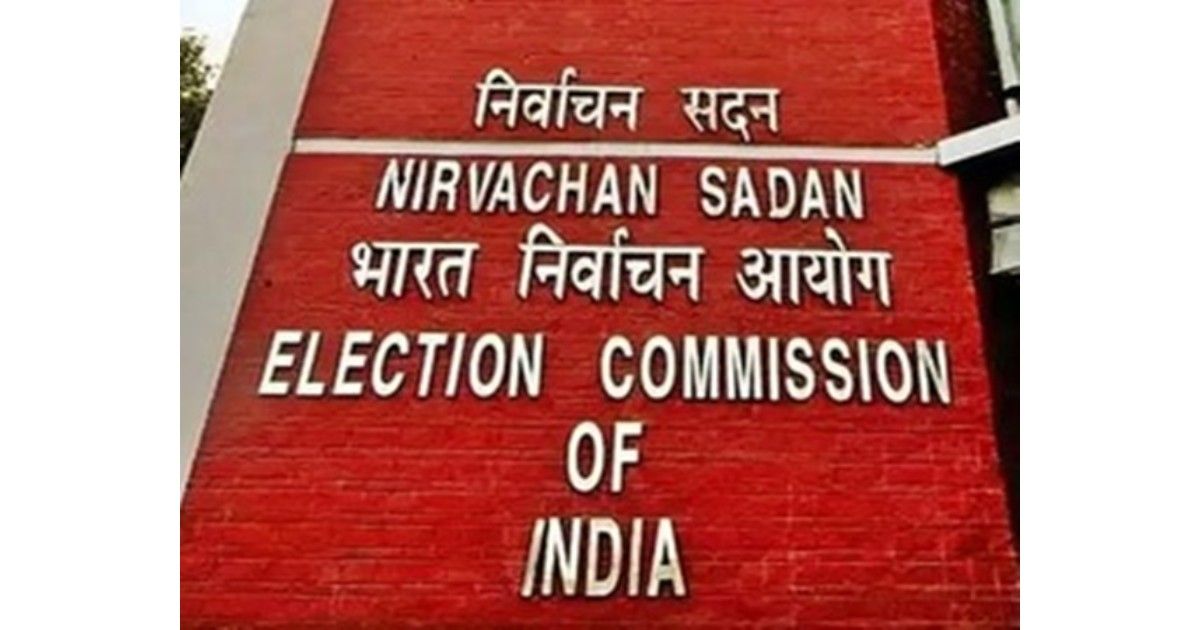
The Election Commission of India has issued strict directives mandating “dry days” in constituencies going to polls, as part of measures to ensure free, fair, and peaceful elections. The order applies to upcoming assembly elections and by-elections, with a particular focus on states such as Tamil Nadu and West Bengal.
The Commission reiterated that the restrictions are in line with established election protocols and are intended to maintain law and order during the critical phases of polling and counting.
Dry Days Announced for Polling and Counting
Under the directive, the sale, distribution, and consumption of liquor will be strictly prohibited in the concerned constituencies during specified periods. The restrictions will come into force 48 hours before the conclusion of polling, as mandated under Representation of the People Act, 1951.
Polling for the first phase in Tamil Nadu and West Bengal is scheduled for April 23, while the second phase in West Bengal will take place on April 29. Counting of votes across all poll-bound states and union territories is set for May 4, which will also be observed as a dry day.
The Election Commission clarified that if repolling is required in any constituency, the same restrictions will be enforced on those dates as well.
Model Code of Conduct in Force
The Model Code of Conduct (MCC) came into effect on March 15, 2026, following the announcement of assembly elections in multiple regions, including Assam, Kerala, Puducherry, Tamil Nadu, and West Bengal, along with by-elections in six other states.
The MCC sets guidelines for political parties and candidates to ensure ethical campaigning and prevent practices that could influence voters unfairly. The imposition of dry days is one of several measures aimed at maintaining neutrality and discipline during the electoral process.
Scope of the Restrictions
The Election Commission’s order covers a wide range of establishments. Liquor shops, bars, restaurants, clubs, and even star hotels will not be permitted to serve or sell alcohol during the notified period. The ban extends to both public and private premises within the constituencies going to polls.
Additionally, the Commission has directed strict enforcement of excise laws related to the storage of liquor. Individuals will not be allowed to stock alcohol beyond permissible limits, and authorities have been instructed to monitor and act against violations.
Officials noted that these measures are crucial to prevent inducement or undue influence on voters, which could compromise the integrity of the electoral process.
Legal Backing Under Section 135C
The directive is backed by Section 135C of the Representation of the People Act, 1951, which empowers authorities to prohibit the sale and distribution of intoxicants during elections. This provision is widely used across India during elections to maintain a level playing field.
The Commission emphasized that strict compliance with the law is essential and that any violation will attract penal action. State governments and local प्रशासन have been tasked with ensuring effective implementation of the order.
Ensuring Free and Fair Elections
The imposition of dry days is part of a broader strategy by the Election Commission to ensure that elections are conducted in a transparent and unbiased manner. By restricting the availability of alcohol, authorities aim to reduce the risk of disturbances, bribery, and voter manipulation.
Election officials have highlighted that such measures have proven effective in previous elections, contributing to smoother polling processes and improved voter turnout.
Coordination with State Authorities
To enforce the directive, the Election Commission is working closely with state governments, law enforcement agencies, and excise departments. Special teams are expected to conduct inspections and monitor compliance across constituencies.
Checkpoints may be set up to prevent the illegal transportation of liquor, and surveillance will be intensified in sensitive areas. Authorities have also been instructed to take immediate action against any violations reported during the restricted period.
Impact on Businesses and Public
The announcement of dry days is likely to impact businesses such as hotels, restaurants, and liquor vendors, which will have to suspend alcohol-related services temporarily. However, such measures are considered necessary to uphold the democratic process.
For the public, the advisory serves as a reminder to adhere to election-related guidelines and cooperate with authorities. Citizens are encouraged to report any violations or suspicious activities to the concerned officials.
Counting Day Restrictions
In addition to polling days, May 4—the day of vote counting—has also been declared a dry day across all states and union territories involved in the elections. This ensures that the environment remains orderly during the announcement of results.
The Commission noted that maintaining discipline on counting day is equally important, as it is a sensitive phase when tensions can run high.
Looking Ahead
As the election dates approach, the Election Commission continues to emphasize the importance of соблюдение rules and regulations by all stakeholders. Political parties, candidates, and voters are expected to play their part in ensuring a peaceful and fair electoral process.
The upcoming elections in multiple states are being closely watched, and the Commission’s proactive measures reflect its commitment to maintaining the integrity of the democratic system.
Reinforcing Electoral Integrity Through Strict Measures
The Election Commission’s decision to impose dry days underscores its focus on ensuring free and fair elections. By enforcing strict restrictions on the sale and consumption of liquor, the Commission aims to create an environment conducive to unbiased voting.
As India prepares for another round of elections, such measures highlight the importance of discipline, transparency, and collective responsibility in strengthening the democratic framework.
Inputs & Images: Hindusthan Samachar
Edited By: Akshaya Polepalli