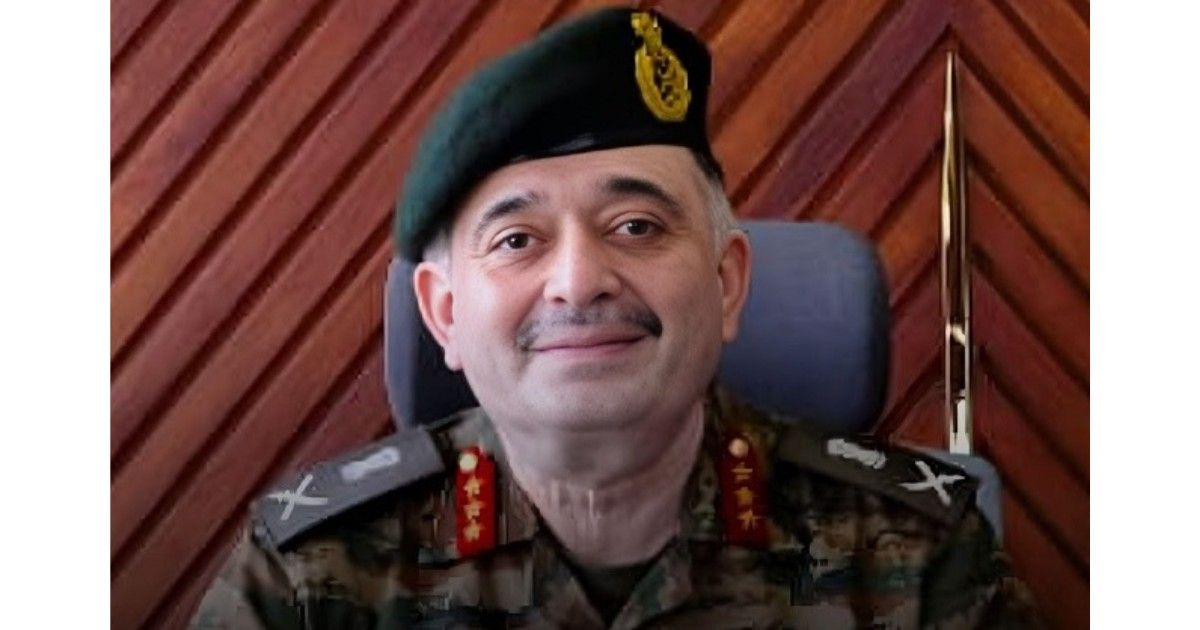
New Delhi, March 31: The Indian Army has announced a significant leadership transition with the appointment of Abhijit S. Pendharkar as the new Director General of Military Operations (DGMO), a crucial position responsible for overseeing operational planning and coordination, particularly along sensitive borders.
He will take over from Rajiv Ghai, who has been elevated to the role of Deputy Chief of Army Staff (Strategy). The change marks an important reshuffle within the Army’s senior command structure at a time of complex and evolving security dynamics.
Key Highlights of the Leadership Change
The appointment places Lt Gen Pendharkar at the centre of India’s military operations framework, especially concerning the western front with Pakistan.
As DGMO, he will be responsible for:
- Strategic planning of military operations
- Crisis response coordination
- Oversight of ceasefire arrangements and border management
- Synchronisation between various Army commands
The transition is part of a broader effort to ensure continuity and experienced leadership in critical operational roles.
Role of the DGMO in India’s Military Structure
The Director General of Military Operations is one of the most important operational positions in the Indian Army. The office plays a key role in:
- Monitoring and managing border situations, including along the Line of Control (LoC)
- Coordinating with other branches of the armed forces
- Handling communication channels during military crises
- Overseeing both conventional and unconventional operational strategies
Given the sensitivity of India’s security environment, the DGMO is often involved in high-level decision-making during periods of tension.
Transition from Lt Gen Rajiv Ghai
Rajiv Ghai, who assumed the DGMO role in October 2024, has been closely associated with key operational and strategic developments over the past year.
During his tenure, the Army carried out Operation Sindur, targeting terror launch pads across the Line of Control. The operation was followed by heightened tensions, eventually leading to renewed ceasefire engagements between India and Pakistan.
Lt Gen Ghai’s experience includes serving as General Officer Commanding of the 15th Corps, also known as the Chinar Corps, in Srinagar—a formation central to counter-insurgency operations in Jammu and Kashmir.
He has been recognised with several military honours, including the Uttam Yudh Seva Medal and Ati Vishisht Seva Medal, reflecting his contributions to national security.
Profile of Lt Gen Abhijit S. Pendharkar
Abhijit S. Pendharkar brings extensive operational experience to the DGMO role.
Prior to this appointment, he served as General Officer Commanding of the Spear Corps, headquartered in Dimapur, Nagaland. The corps operates in India’s northeast, a region characterised by complex security challenges, including insurgency and cross-border coordination issues.
Over the course of his career, Lt Gen Pendharkar has developed expertise in:
- Counter-terrorism operations
- Coordination in multi-agency security environments
- Managing sensitive border areas
- Leadership in high-pressure operational contexts
His experience in the northeast is seen as particularly relevant, given the need for adaptable strategies in diverse security scenarios.
Strategic Context: Evolving Security Challenges
The leadership change comes at a time when India faces a range of security challenges across multiple fronts.
On the western border, issues such as cross-border terrorism, ceasefire violations, and infiltration attempts continue to require close monitoring.
At the same time, the nature of warfare is evolving, with increasing emphasis on:
- Hybrid warfare tactics
- Cyber and information warfare
- Use of advanced technologies in defence
- Multi-domain operational coordination
In this context, the role of the DGMO has expanded beyond traditional military planning to include integration of new strategic approaches.
Continuity in Strategic Planning
The simultaneous elevation of Rajiv Ghai to Deputy Chief of Army Staff (Strategy) ensures continuity in high-level planning.
This role involves long-term strategic assessment, capability development, and policy coordination, complementing the operational focus of the DGMO.
The transition is designed to maintain institutional knowledge while bringing fresh perspectives into operational leadership.
Implications for India–Pakistan Military Dynamics
The DGMO plays a central role in managing India’s military engagement with Pakistan, particularly through established communication channels used during periods of tension.
Regular DGMO-level talks between the two countries are an important mechanism for maintaining stability along the Line of Control.
With Lt Gen Pendharkar taking charge, continuity in these processes is expected, alongside potential adjustments in operational priorities based on evolving ground realities.
Public and Strategic Significance
While military appointments are largely internal matters, changes at the DGMO level have broader implications for national security.
The position directly influences how the Army responds to crises, manages border situations, and coordinates with other defence agencies.
For the public, such appointments signal the Army’s preparedness to address emerging threats and maintain operational readiness.
Outlook Ahead
The appointment of Abhijit S. Pendharkar as DGMO marks a key transition in India’s military leadership at a time of evolving security challenges.
With extensive experience in operational command, he is expected to play a central role in shaping India’s military strategy, particularly on the western front.
As Rajiv Ghai moves into a broader strategic role, the leadership reshuffle reflects the Army’s focus on continuity, expertise, and adaptability in a changing security environment.
Inputs & Images: Hindusthan Samachar
Edited By: Akshaya Polepalli
Also Read: Gul Panag Inaugurates Glowdent Studio Dental and Aesthetic Clinic in Jammu