New Delhi, April 3: India’s domestic stock markets remained closed on Friday on account of Good Friday, resulting in a temporary halt in trading activity across all segments. The closure of markets, combined with the weekend holidays, has led to a three-day trading break, with normal operations set to resume on Monday.
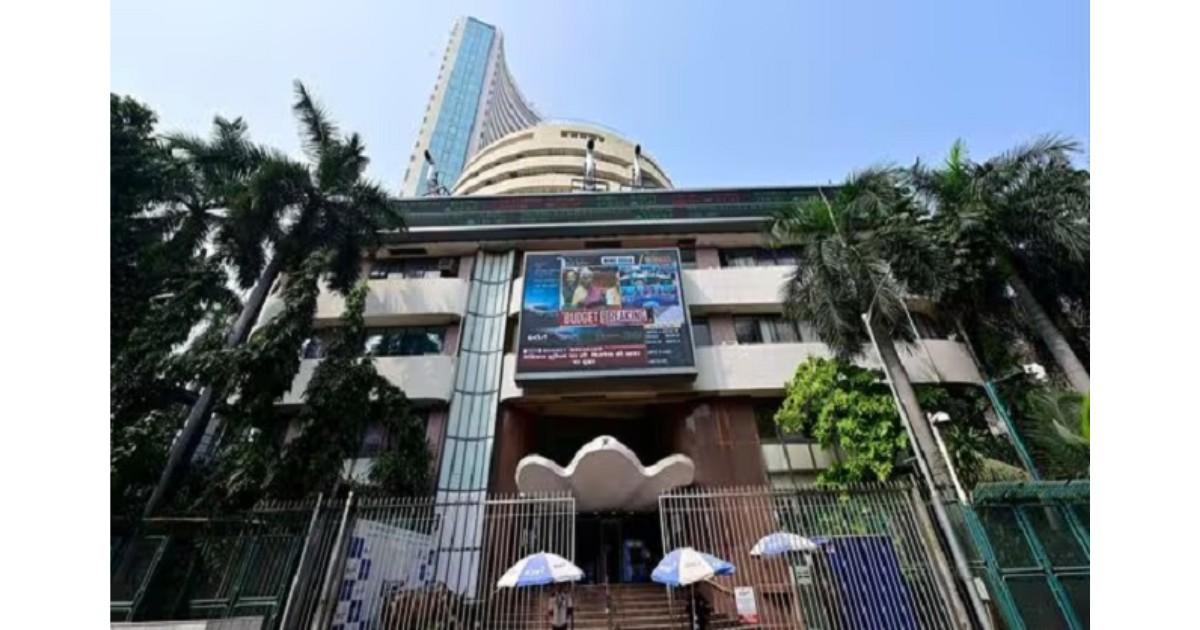
Both the Bombay Stock Exchange (BSE) and the National Stock Exchange (NSE) suspended trading for the day in observance of the holiday.
Markets Observe Holiday Closure
The closure applies to all segments of trading, ensuring that no market activity takes place during the holiday.
This includes:
- Equity trading
- Equity derivatives
- Securities Lending and Borrowing (SLB)
- Currency derivatives
- Interest rate derivatives
The complete shutdown reflects standard exchange practice during designated public holidays.
Three-Day Break in Trading Activity
The market holiday on Good Friday is followed by the regular weekend closure on Saturday and Sunday.
As a result, investors and traders are observing a continuous three-day pause in market operations.
Such extended breaks are relatively infrequent and typically occur when public holidays align with weekends.
Trading to Resume on Monday
Normal trading activity will resume on Monday, April 6, with markets opening at the usual time of 9:15 a.m.
Participants across the financial ecosystem—including retail investors, institutional traders, and brokers—are expected to return to regular operations at the start of the new trading week.
Understanding Good Friday Market Closure
Good Friday is a significant religious observance marking the crucifixion of Jesus Christ. It is recognised as a public holiday in India and several other countries.
Financial markets, including stock exchanges, remain closed on this day as part of the official holiday calendar.
Such closures are pre-scheduled and announced in advance by exchanges to ensure transparency and planning for market participants.
Impact on Investors and Traders
The temporary closure of stock markets affects various aspects of trading and investment activities.
1. No Price Discovery
With markets closed, there is no price movement or trading activity, meaning investors cannot buy or sell securities during this period.
2. Pause in Volatility
Market volatility is effectively paused, providing a brief period of stability.
3. Planning for Next Session
Investors often use such breaks to reassess strategies, review portfolios, and analyse global developments that may influence markets when trading resumes.
Global Market Context
While Indian markets remain closed, global financial markets may continue to operate depending on their respective holiday calendars.
Movements in international markets during this period can influence sentiment when domestic markets reopen.
Investors typically monitor:
- US and European market trends
- Commodity price movements
- Currency fluctuations
- Geopolitical developments
These factors may impact trading decisions in the next session.
Role of Stock Exchanges
The Bombay Stock Exchange and National Stock Exchange are the primary platforms for equity trading in India.
They operate under a structured calendar that includes:
- Trading days
- Market holidays
- Special trading sessions
Holiday schedules are published annually, allowing investors to plan their activities accordingly.
Segments Affected by the Closure
The suspension of trading on Good Friday extends across multiple market segments:
Equity Segment
No buying or selling of stocks listed on exchanges.
Derivatives Segment
Futures and options trading remains halted.
Currency and Interest Rate Markets
No transactions occur in currency derivatives or interest rate derivatives.
SLB Segment
Securities lending and borrowing activities are also paused.
This comprehensive closure ensures uniformity across all trading operations.
Broader Market Implications
Market holidays, while routine, can have short-term implications:
- Liquidity Impact: Temporary pause in liquidity
- Event Build-Up: Global events during the break may influence reopening trends
- Gap Openings: Markets may open with sharp movements if significant developments occur
However, such effects are typically short-lived and stabilise once regular trading resumes.
Investor Preparedness
Financial experts often advise investors to use market holidays productively.
Key recommendations include:
- Reviewing investment portfolios
- Tracking global economic developments
- Planning trades for the upcoming week
Being informed helps investors respond effectively when markets reopen.
Outlook Ahead
As trading resumes on Monday, market participants will closely watch global cues and domestic developments that occurred during the break.
The reopening session may reflect accumulated sentiment from international markets and macroeconomic factors.
Despite the temporary pause, the overall market trajectory will continue to depend on broader economic indicators, corporate performance, and investor confidence.
Inputs & Images: Hindusthan Samachar
Edited By: Akshaya Polepalli
Also Read: Kashmir Division Appoints Nodal Officers to Strengthen Grievance Redressal for Essential Commodities