Large jatha crosses Attari–Wagah border for Khalsa Sajna Diwas celebrations and religious visit
On the auspicious occasion of Baisakhi, around 2,840 Sikh pilgrims from across India departed for Pakistan to visit some of the most revered Sikh shrines, marking the beginning of a significant cross-border religious यात्रा.
The pilgrims crossed the Attari–Wagah Border on Thursday as part of a jatha organized to celebrate Khalsa Sajna Diwas, one of the most important events in Sikhism.
Pilgrimage Organized by SGPC and Sikh Bodies
A major portion of the pilgrims—approximately 1,763 devotees—are part of the group organized by the Shiromani Gurdwara Parbandhak Committee (SGPC).
In addition, devotees from the Delhi Sikh Gurdwara Management Committee and the Haryana Sikh Gurdwara Management Committee, along with participants from other states, have joined the यात्रा.
Officials said the pilgrimage reflects the deep spiritual connection Sikh devotees maintain with their historical shrines located in Pakistan.
Sacred Sites on the Pilgrimage Itinerary
During the 10-day यात्रा, pilgrims will visit several sacred Sikh sites, including:
- Gurdwara Nankana Sahib
- Gurdwara Sri Panja Sahib
These shrines hold immense religious significance as they are associated with the life and teachings of Guru Nanak Dev Ji.
The pilgrims are scheduled to participate in the main Baisakhi celebrations in Pakistan before returning to India on April 19.
Leadership and Spiritual Significance of the Journey
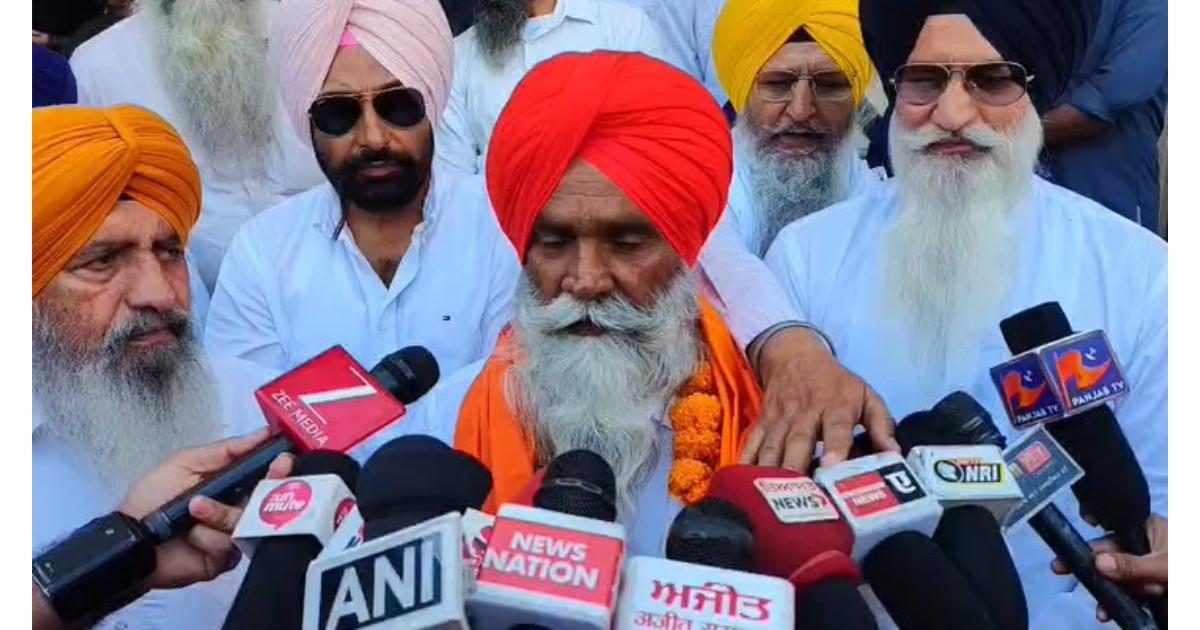
The jatha is being led by Surjit Singh Tugalwala, who emphasized the spiritual importance of the यात्रा.
He stated that visiting the holy land of Guru Nanak Dev Ji is considered a blessing for every Sikh. He also highlighted that the teachings of Guru Nanak—centered on humanity, unity, and brotherhood—continue to inspire generations.
Pilgrims expressed deep devotion and enthusiasm as they embarked on the journey, offering prayers for peace, prosperity, and global harmony.
Visa Approvals and Rejections
According to SGPC officials, 1,795 passport applications were submitted to the Pakistan Embassy in New Delhi for visa processing.
Out of these:
- 1,763 visas were approved
- 32 applications were rejected
Those whose visas were not approved expressed disappointment, urging authorities to adopt more inclusive policies to allow greater participation in such religious pilgrimages.
Demand for Easier Travel and More Visas
Pilgrims and organizers have appealed to both Indian and Pakistani governments to:
- Increase the number of visas granted for religious visits
- Simplify procedures for cross-border travel
- Remove the $20 fee imposed for visiting the Kartarpur Corridor
They emphasized that easier access to religious sites would strengthen cultural and spiritual ties between communities.
Significance of Khalsa Sajna Diwas
Khalsa Sajna Diwas, celebrated on Baisakhi, commemorates the formation of the Khalsa Panth by Guru Gobind Singh Ji in 1699.
The occasion holds immense importance in Sikhism, symbolizing courage, equality, and spiritual commitment.
Pilgrimages during this period are considered especially sacred, as devotees gather at historic gurdwaras to offer prayers and participate in religious ceremonies.
Inclusion of Solo Women Pilgrims Marks Key Shift
A notable development this year is the participation of around 200 solo women pilgrims, who have been granted visas to undertake the journey independently.
This marks a shift from earlier restrictions, when the SGPC had indicated that solo women would not be allowed to travel.
The decision has been welcomed by many as a step towards greater inclusivity and empowerment within the community.
Heightened Security Following Past Incident
Authorities have implemented stricter measures this year following a controversy during a previous pilgrimage.
Last year, a woman named Sarabjit Kaur, who had travelled to Pakistan with a similar jatha, did not return to India and later married a Pakistani national.
In response, security and intelligence agencies are maintaining close vigilance over this year’s group to prevent any such incidents.
Multi-Tier Verification System Introduced
To ensure accountability and transparency, the SGPC has introduced a multi-tier verification system, particularly for solo women pilgrims.
Under this system, each woman pilgrim is required to submit a written undertaking confirming that the visit is solely for religious purposes.
The document must be attested by:
- The head of the family
- The concerned SGPC member
- The village Sarpanch
- The Nambardar
Officials stated that these measures aim to maintain discipline and uphold the sanctity of the pilgrimage.
Spiritual and Cultural Importance of Cross-Border Pilgrimages
Cross-border pilgrimages between India and Pakistan hold deep cultural and spiritual significance, especially for the Sikh community.
Many of the most important Sikh shrines are located in present-day Pakistan, making such journeys essential for devotees seeking to connect with their heritage.
Despite political complexities, these pilgrimages continue to serve as a bridge between communities, fostering mutual respect and understanding.
Pilgrims Express Devotion and Hope
As the jatha departed, pilgrims expressed a mix of devotion, excitement, and hope.
Many described the journey as a once-in-a-lifetime opportunity to visit sacred sites associated with Guru Nanak Dev Ji.
They also prayed for peace and improved relations between the two countries, emphasizing the unifying power of faith.
Faith, Heritage, and Unity Define the Pilgrimage
The departure of 2,840 Sikh pilgrims for Pakistan on the occasion of Baisakhi underscores the enduring importance of faith and cultural heritage.
Organized efforts by religious bodies, combined with participation from devotees across the country, highlight the deep-rooted spiritual connections that transcend borders.
As the pilgrims embark on their 10-day journey, the pilgrimage stands as a testament to devotion, unity, and the timeless teachings of Guru Nanak Dev Ji.
Inputs & Images: Hindusthan Samachar
Edited By: Akshaya Polepalli
Also Read: FIDE Candidates 2026: Sindarov Dominates, Vaishali Takes Lead in Dramatic Round 10