Kolkata, March 26: The Entally Assembly constituency in central Kolkata is shaping up to be one of the most closely watched seats in the run-up to the 2026 West Bengal Assembly elections. With multiple parties fielding strong candidates, the contest is expected to test political influence in an urban constituency known for its complex social composition and electoral history.
Located under the Kolkata North Lok Sabha segment, Entally has long been considered politically significant due to its diverse voter base, historical legacy, and consistent electoral competitiveness.
Key Contestants in Entally Assembly Election 2026
The 2026 election in Entally features four prominent candidates representing major political formations, setting the stage for a multi-cornered contest.
The ruling All India Trinamool Congress has fielded Sandipan Saha, marking a generational shift from the incumbent MLA Swarna Kamal Saha, who has held the seat for three consecutive terms since 2011. Sandipan Saha’s campaign has focused on continuity, highlighting development initiatives under Chief Minister Mamata Banerjee.
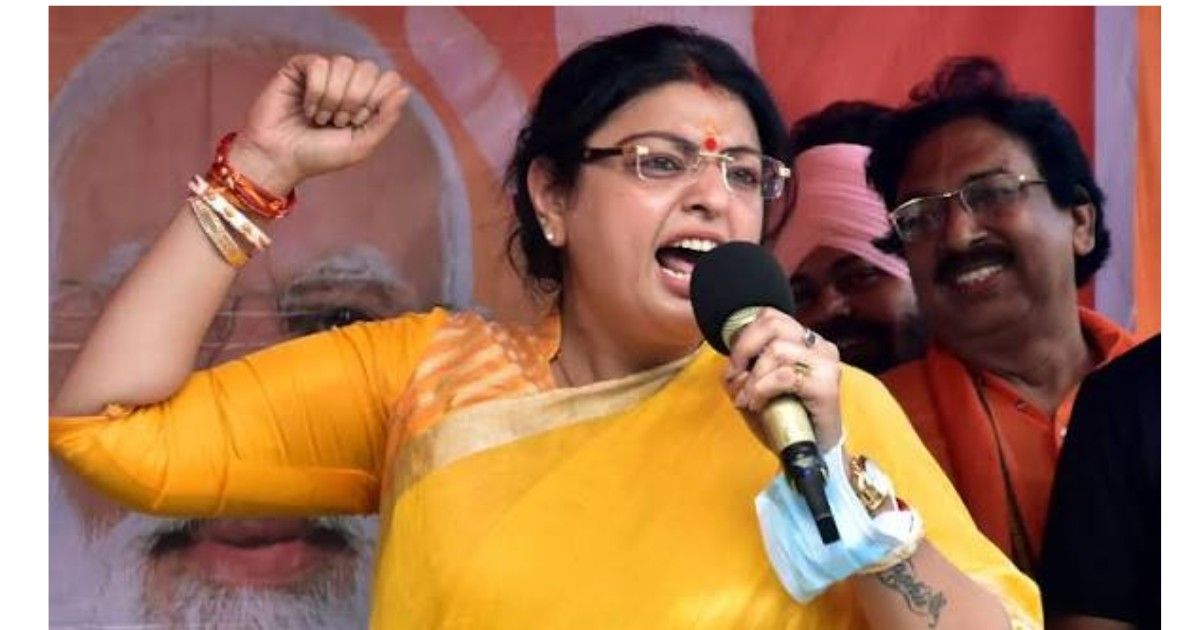
The Bharatiya Janata Party has nominated advocate Priyanka Tibrewal, who has been actively campaigning on governance issues. She has raised concerns over development gaps and alleged uneven distribution of resources, positioning her campaign as an alternative to the incumbent party.
From the Left camp, Abdur Rauf has entered the race, focusing on issues such as corruption, governance accountability, and political polarization. His campaign reflects the Left’s attempt to regain lost ground in urban constituencies.
Adding another dimension to the contest is Shah Alam, representing the Aam Janta Unnayan Party (AJUP), a smaller regional outfit. His candidature introduces the possibility of vote fragmentation, particularly among specific community groups.
Historical Electoral Trends in Entally
Entally has a long electoral history dating back to the early years of independent India. Over the decades, the constituency has witnessed shifts in political dominance.
Left parties, particularly the Communist Party of India (Marxist) and the Communist Party of India, held sway over the seat for several decades, collectively winning a majority of elections. The Congress also secured victories intermittently.
However, since 2011, the All India Trinamool Congress has maintained a strong hold on the constituency. Swarna Kamal Saha’s consecutive victories in 2011, 2016, and 2021 consolidated the party’s position, with increasing victory margins in each election.
This historical shift reflects broader political changes in West Bengal, where the decline of Left dominance paved the way for Trinamool Congress to expand its influence across both rural and urban constituencies.
Demographic Factors Shaping the Contest
Entally’s electoral dynamics are significantly influenced by its demographic composition. The constituency has a substantial Muslim voter base, accounting for over one-third of the electorate. Scheduled Castes form another notable segment, though smaller in proportion.
The total number of registered voters stood at over 2.36 lakh as of 2024. Being an urban constituency, voter turnout has remained moderate, typically ranging between around 68 percent and 72 percent in recent elections.
Historically, candidates from the Muslim community have had considerable success in the constituency, winning a majority of past elections. This trend highlights the importance of community alignment and candidate selection in shaping electoral outcomes.
Campaign Narratives and Key Issues
Each party has approached the Entally contest with distinct campaign narratives.
The Trinamool Congress is emphasizing continuity and governance, highlighting infrastructure development and welfare schemes implemented under the state government. Sandipan Saha has positioned himself as a representative of both continuity and renewal.
The BJP, on the other hand, is focusing on issues of governance and accountability. Priyanka Tibrewal has raised allegations related to uneven development and has sought to appeal to voters dissatisfied with the current administration.
The Left candidate, Abdur Rauf, has framed his campaign around concerns of corruption and political polarization, targeting both the ruling party and the BJP.
Meanwhile, Shah Alam’s campaign reflects grassroots mobilization, with a focus on local issues and community outreach.
Role of Local Issues and Urban Challenges
As an urban constituency, Entally faces a distinct set of challenges that are likely to influence voter preferences. These include infrastructure maintenance, civic services, traffic congestion, housing conditions, and employment opportunities.
Residents often prioritize practical governance issues over broader ideological debates. This makes local performance and candidate accessibility key factors in determining electoral outcomes.
Urban voter apathy has also been observed in some past elections, with turnout levels slightly lower than rural constituencies. However, closely contested elections often lead to increased participation.
Political Analysis and Emerging Trends
Political observers suggest that while the Trinamool Congress enters the contest with an organizational advantage, the presence of multiple strong candidates could make the race more competitive.
Analysts point to potential anti-incumbency sentiment after three consecutive terms of the sitting MLA, which could influence voter behaviour. At the same time, the introduction of a new candidate by the ruling party may help mitigate this factor.
Another key element is the possibility of vote division among opposition parties. With both Left and regional candidates in the fray, opposition votes may be split, potentially benefiting the ruling party.
However, some observers believe that shifting voter preferences and localized dissatisfaction could open opportunities for challengers, particularly if they are able to consolidate support across communities.
Broader Context: West Bengal’s Political Landscape
The Entally contest reflects broader political dynamics in West Bengal, where the Trinamool Congress continues to face challenges from both the BJP and Left parties.
Since coming to power in 2011, the Trinamool Congress has expanded its influence, but urban constituencies like Entally remain competitive due to their diverse electorate and issue-driven voting patterns.
The BJP has been attempting to strengthen its presence in the state, particularly after its performance in recent elections, while the Left is working to rebuild its base.
Public Impact: Why This Election Matters
For voters in Entally, the 2026 Assembly election is not just about party preference but also about local governance and representation.
Key factors likely to influence voters include:
- Delivery of civic services
- Development and infrastructure improvements
- Law and order
- Community representation
- Accessibility of elected representatives
The outcome will determine how effectively these concerns are addressed in the coming years.
Conclusion: A Closely Watched Urban Contest
The Entally Assembly Election 2026 is expected to be a closely fought contest, shaped by historical trends, demographic realities, and evolving political narratives.
With four candidates representing different political ideologies and voter bases, the constituency presents a complex electoral landscape. The final outcome will depend on how effectively each candidate connects with voters and addresses local concerns.
As campaigning intensifies in the coming months, Entally is likely to remain a key battleground, offering insights into broader electoral trends in urban West Bengal.
Inputs & Images: Hindusthan Samachar
Edited By: Akshaya Polepalli
Also Read: Odisha Unveils New Excise Policy 2026–29, Raises Liquor Licence Fees and Introduces De-Addiction Cess