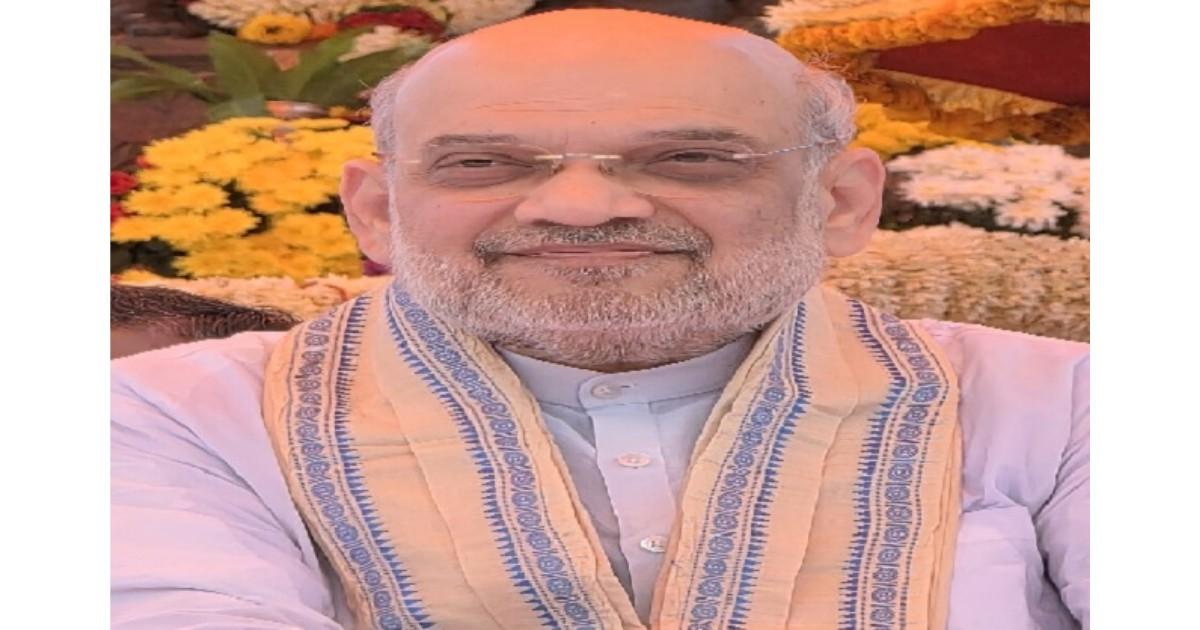
Union Home and Cooperation Minister Amit Shah paid tribute to Chhatrapati Shivaji Maharaj on his death anniversary, describing him as an enduring symbol of courage, leadership, and devotion to the nation.
In a message shared on social media platform X, Shah honoured the 17th-century Maratha ruler’s contribution to India’s history, highlighting his role in establishing self-rule and safeguarding cultural identity.
Tribute Highlights Shivaji’s Leadership and Vision
Remembering Chhatrapati Shivaji Maharaj, Shah said his life and struggles continue to inspire generations with a spirit of patriotism and dedication to the country.
He described Shivaji as a leader who united people for the protection of faith and culture, while laying the foundation of Hindavi Swaraj—a concept of self-governance rooted in indigenous values.
Shah also underlined Shivaji’s strategic acumen, noting his pioneering efforts in strengthening naval capabilities and defending coastal territories.
Official Statement
In his message, Amit Shah said that Shivaji’s legacy represents an “immortal symbol of national pride and honour.”
He emphasised that the Maratha ruler combined military strength with administrative efficiency and cultural preservation. His governance model, Shah noted, reflected a balance between security, welfare, and respect for local traditions and languages.
Historical Context: Legacy of the Maratha Founder
Chhatrapati Shivaji Maharaj (1630–1680) is widely regarded as one of India’s most influential historical figures.
Born at Shivneri Fort in present-day Maharashtra, he established the Maratha Empire during a period marked by Mughal expansion. His leadership challenged dominant powers of the time, including the Mughals and regional Sultanates.
Key aspects of his legacy include:
- Swaraj (self-rule): A governance system focused on independence and local administration
- Guerrilla warfare tactics: Innovative military strategies suited to terrain and mobility
- Naval strength: Development of a coastal defence system, considered advanced for its time
- Administrative reforms: Establishment of the Ashtapradhan council to ensure structured governance
Historians often credit Shivaji with redefining regional power dynamics in western India and laying the groundwork for a broader Maratha influence in later years.
Governance Model and Cultural Emphasis
One of the defining features of Shivaji’s rule was his emphasis on inclusive governance and public welfare.
His administration prioritised:
- Protection of civilians during conflicts
- Efficient revenue systems
- Respect for local customs and languages
- Promotion of cultural and religious harmony
These principles have often been cited in modern political discourse as examples of balanced and ethical leadership.
Public and Political Significance Today
The remembrance of Chhatrapati Shivaji Maharaj on his death anniversary holds both historical and contemporary relevance.
Political leaders across parties frequently invoke his legacy to highlight themes such as:
- National pride and unity
- Strong governance and leadership
- Cultural preservation
- Security and strategic planning
Such tributes also reflect the continued influence of Shivaji’s ideas in shaping discussions around governance and national identity in present-day India.
Why This Matters
Commemorations like this serve as reminders of historical figures whose leadership continues to resonate in modern governance narratives.
For citizens, these observances offer an opportunity to revisit the values associated with Shivaji’s rule—particularly accountability, resilience, and a focus on public welfare.
For policymakers, references to such figures often underline the importance of combining administrative efficiency with cultural sensitivity.
Conclusion
As tributes pour in on the death anniversary of Chhatrapati Shivaji Maharaj, leaders like Amit Shah continue to highlight his enduring legacy in India’s historical and political consciousness.
While rooted in the past, Shivaji’s principles of governance, strategy, and public service remain relevant, offering lessons that continue to influence contemporary discussions on leadership and nation-building.
Inputs & Images: Hindusthan Samachar
Edited By: Akshaya Polepalli