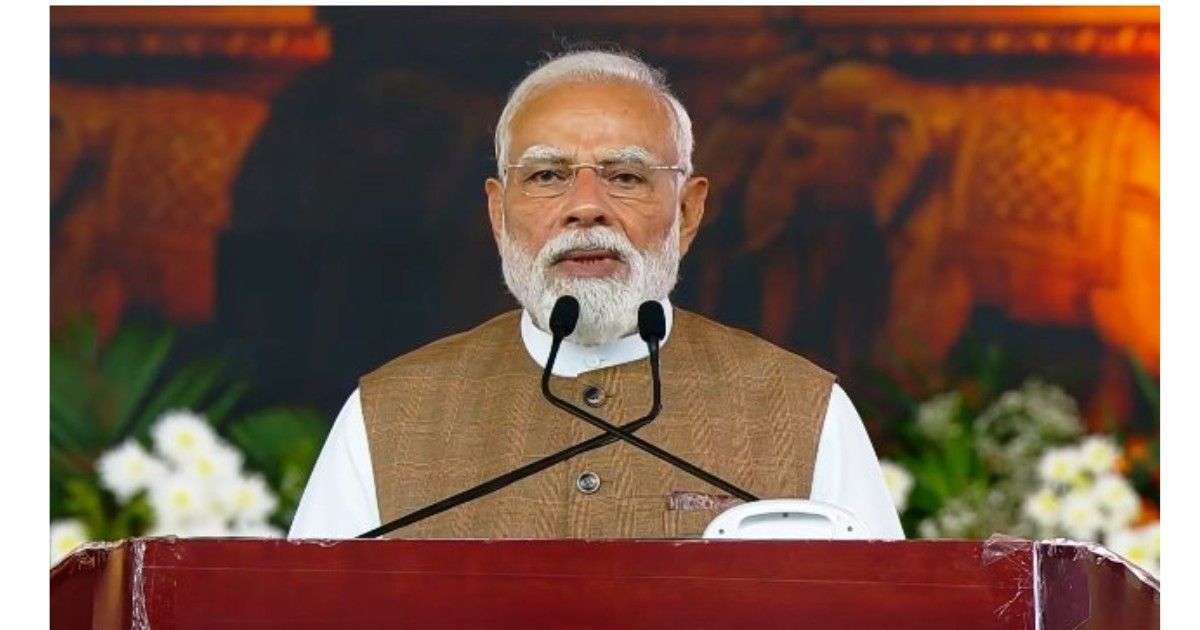
New Delhi, April 1: Narendra Modi on Tuesday extended greetings to the people of Odisha on the occasion of Utkala Dibasa, praising the state’s cultural, spiritual, and historical significance.
In a message shared on social media platform X, the Prime Minister described Odisha as a “timeless symbol of cultural as well as spiritual greatness,” acknowledging its contributions to India’s artistic and intellectual traditions.
Prime Minister’s Message on Utkala Dibasa
In his greeting, Narendra Modi highlighted the enduring cultural richness of Odisha.
He noted that Odia music, art, and literature have made significant contributions to India’s cultural landscape. He also praised the people of the state for their determination, simplicity, and warmth, emphasising their achievements across various fields.
The Prime Minister expressed hope that the state would continue to progress and achieve new milestones in the future.
In a notable gesture, he also shared his message in the Odia language, reflecting an effort to connect more directly with the people of the state.
Significance of Utkala Dibasa
Utkala Dibasa, observed annually on April 1, marks the formation of Odisha as a separate province in 1936.
The day holds historical importance as Odisha became the first state in India to be created on the basis of linguistic identity. This recognition of the Odia language played a key role in preserving the region’s cultural and literary traditions.
Utkala Dibasa is celebrated across the state with cultural programmes, official ceremonies, and public events that reflect Odisha’s heritage.
Odisha’s Cultural and Spiritual Heritage
Odisha is widely known for its rich cultural and spiritual traditions.
One of the most prominent symbols of this heritage is the Jagannath Temple in Puri, which attracts millions of devotees and is central to the region’s religious identity.
The state is also home to classical art forms such as Odissi, one of India’s oldest dance traditions, known for its intricate movements and expressive storytelling.
Additionally, traditional art forms like Pattachitra reflect the region’s artistic excellence and craftsmanship.
Contribution to Indian Literature
Odisha has made significant contributions to Indian literature, particularly through the Odia language.
Renowned literary figures such as Sarala Das and Fakir Mohan Senapati have played a pivotal role in shaping the state’s literary heritage.
Their works continue to be studied and celebrated, contributing to the preservation of linguistic and cultural identity.
The recognition of Odia as a classical language further underscores its historical and literary importance.
Cultural Identity and National Integration
The celebration of Utkala Dibasa highlights the importance of cultural identity within India’s diverse social fabric.
Events such as this not only celebrate regional heritage but also contribute to a broader sense of national unity by showcasing the richness of different cultures.
Messages from national leaders, including Narendra Modi, play a role in reinforcing this connection between regional pride and national identity.
Public Celebrations Across Odisha
Across Odisha, Utkala Dibasa is marked by a range of activities, including:
- Cultural performances and exhibitions
- Traditional music and dance events
- Educational programmes highlighting the state’s history
- Official ceremonies attended by government representatives
These celebrations provide an opportunity for people to reflect on the state’s journey and achievements.
Role of Language in State Formation
The formation of Odisha as a separate province in 1936 was a milestone in India’s administrative history.
It demonstrated the importance of language as a basis for governance and cultural preservation.
The movement for a separate Odia-speaking region was driven by the need to protect and promote the language, which continues to be a central element of the state’s identity.
Broader Context: Cultural Recognition in India
India’s diversity is reflected in its numerous languages, traditions, and cultural practices.
Celebrations like Utkala Dibasa serve as reminders of the country’s pluralistic heritage and the importance of preserving regional identities.
They also highlight the contributions of individual states to the nation’s overall cultural and intellectual development.
Public Impact and Contemporary Relevance
For the people of Odisha, Utkala Dibasa is both a celebration and a reflection of their shared heritage.
It reinforces a sense of belonging and pride, while also encouraging younger generations to engage with their cultural roots.
At the same time, the occasion provides an opportunity to focus on the state’s development goals and future aspirations.
Outlook Ahead
As Odisha marks Utkala Dibasa, the emphasis remains on celebrating its rich heritage while looking ahead to continued growth and progress.
The message from Narendra Modi underscores the importance of cultural pride and collective effort in shaping the state’s future.
With ongoing development initiatives and a strong cultural foundation, Odisha continues to play a significant role in India’s broader national narrative.
Inputs & Images: Hindusthan Samachar
Edited By: Akshaya Polepalli
Also Read: J&K Govt Releases 50% Revenue Budget for FY 2026–27 to Boost Spending and Ensure Continuity