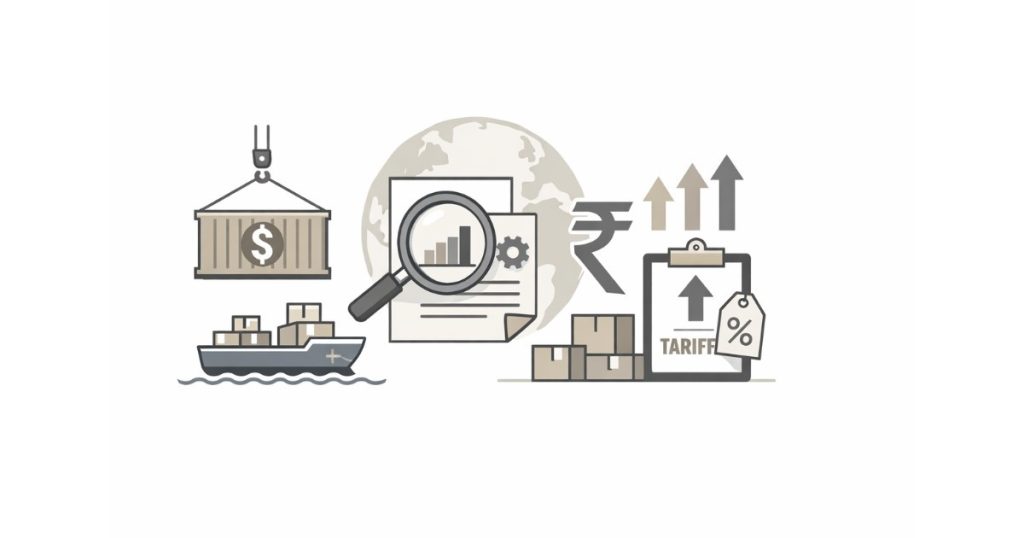
In a dramatic escalation of economic pressure tactics, the United States is considering imposing a staggering 500% tariff on Indian goods due to India’s continued importation of Russian oil. This move, part of a broader sanctions bill aimed at countries maintaining energy ties with Moscow, has sent shockwaves through international trade circles and raised concerns about the future of U.S.-India economic relations.
The Sanctioning Russia Act of 2025
The proposed legislation, known as the Sanctioning Russia Act of 2025, has garnered significant bipartisan support in the U.S. Senate, with over 80 co-sponsors. It seeks to penalize nations that continue to purchase oil, gas, uranium, or other energy products from Russia, thereby indirectly funding its ongoing conflict in Ukraine. India, having increased its Russian oil imports from under 1% to approximately 40-44% due to discounted prices, finds itself squarely in the crosshairs of this bill.

Trump’s Stance and India’s Diplomatic Tightrope
President Donald Trump has expressed strong support for the bill, emphasizing the need to exert maximum economic pressure on Russia. Senator Lindsey Graham, a key proponent of the legislation, stated, “If you are buying energy from Russia and not helping Ukraine, your goods will face a 500% tariff coming into the United States”.
India’s External Affairs Minister, S. Jaishankar, responded cautiously, indicating that India would address the issue if and when it materializes, reflecting the delicate balance New Delhi must maintain between its strategic partnerships and energy security needs.
Potential Economic Fallout
The imposition of such steep tariffs could have far-reaching consequences for India’s economy. Sectors heavily reliant on exports to the U.S., such as textiles, pharmaceuticals, and information technology, could face significant disruptions. Moreover, the tariffs could exacerbate existing trade imbalances and strain the bilateral relationship between the two democracies.
Conversely, some analysts suggest that India might find opportunities amid the turmoil. According to NITI Aayog, India’s policy think tank, the country could gain a competitive edge in certain sectors where tariff gaps with other nations widen, potentially enhancing its position in the U.S. market.

Ongoing Negotiations and the Road Ahead
In light of the looming threat, Indian trade negotiators have returned to Washington to expedite discussions on a comprehensive trade agreement. India has proposed significant concessions, including reducing the tariff gap with the U.S. from 13% to below 4%, offering zero tariffs on 60% of U.S. imports, and granting preferential access to 90% of American goods.
However, deep-seated differences remain, particularly in the agriculture and dairy sectors, where the U.S. seeks lower tariffs on products like apples, nuts, and genetically modified crops—areas where India has domestic sensitivities.
Conclusion
The proposed 500% tariffs represent a significant inflection point in U.S.-India relations, underscoring the complexities of global geopolitics and economic interdependence. As both nations navigate this challenging landscape, the outcomes of their negotiations will not only shape their bilateral ties but also set precedents for international trade norms in an increasingly multipolar world.