Residents across the National Capital Region woke up to hazy skies and reduced sight distance this week, prompting questions about the cause of the sudden Delhi-NCR low visibility conditions. Social media discussions have speculated about an unusual phenomenon described as “petrol rain” in Iran contributing to the dusty atmosphere. However, meteorological experts say there is no scientific basis linking the two events.
According to officials from the India Meteorological Department (IMD), the reduced visibility over Delhi and adjoining areas is primarily due to suspended dust particles and changing wind patterns. The IMD noted that dry surface conditions combined with moderate winds can lift loose dust into the lower atmosphere, leading to hazy conditions.
What Caused the Low Visibility?
Meteorologists explained that northwesterly and westerly winds often carry dust from arid regions into northern India during certain seasons. Such conditions are not uncommon during transitional weather periods.
An IMD official stated that “dust suspension due to surface winds and dry weather” is responsible for the current situation. The absence of rainfall in recent days has further allowed particulate matter to remain airborne for longer durations.
Environmental experts also pointed to local factors, including construction activity, vehicular emissions, and dry soil, which can exacerbate Delhi-NCR low visibility episodes when wind speeds increase.
Is There Any Link to ‘Petrol Rain’ in Iran?
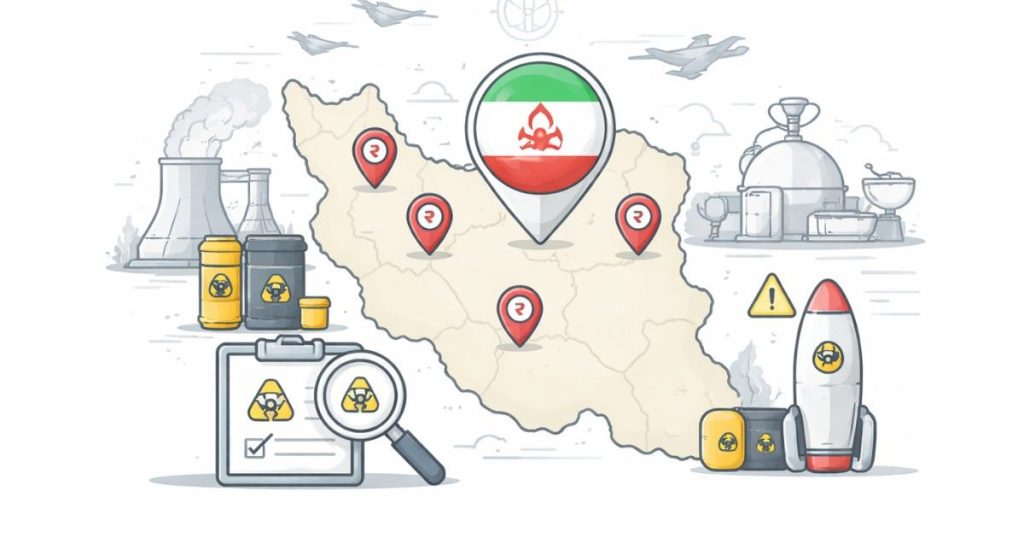
Online discussions have referenced reports of so-called “petrol rain” in parts of Iran. However, atmospheric scientists say there is no verified meteorological phenomenon officially described as “petrol rain” that could impact weather systems over northern India.
Weather experts clarified that rainfall patterns or localized environmental incidents in Iran would not directly cause dusty conditions in Delhi-NCR without large-scale, traceable atmospheric circulation patterns. No such pattern has been reported by regional forecasting agencies.
“There is no scientific evidence connecting events in Iran to the present dust conditions over Delhi,” a senior meteorologist said, adding that cross-border dust transport typically originates from closer desert regions, depending on prevailing wind directions.
Air Quality and Public Advisory
While visibility levels fluctuated during the day, air quality readings remained within the range typically associated with suspended particulate matter during dry spells. Authorities advised residents, especially those with respiratory conditions, to limit prolonged outdoor exposure if haze persists.
The IMD indicated that wind speed and potential changes in weather systems over the coming days may gradually improve visibility.
What Caused the Low Visibility?
Experts maintain that the ongoing Delhi-NCR low visibility situation is consistent with seasonal dust activity and local environmental factors. There is no official confirmation or scientific evidence linking the dusty weather to claims of “petrol rain” in Iran.
Residents are advised to rely on updates from official meteorological agencies for accurate information regarding weather developments.