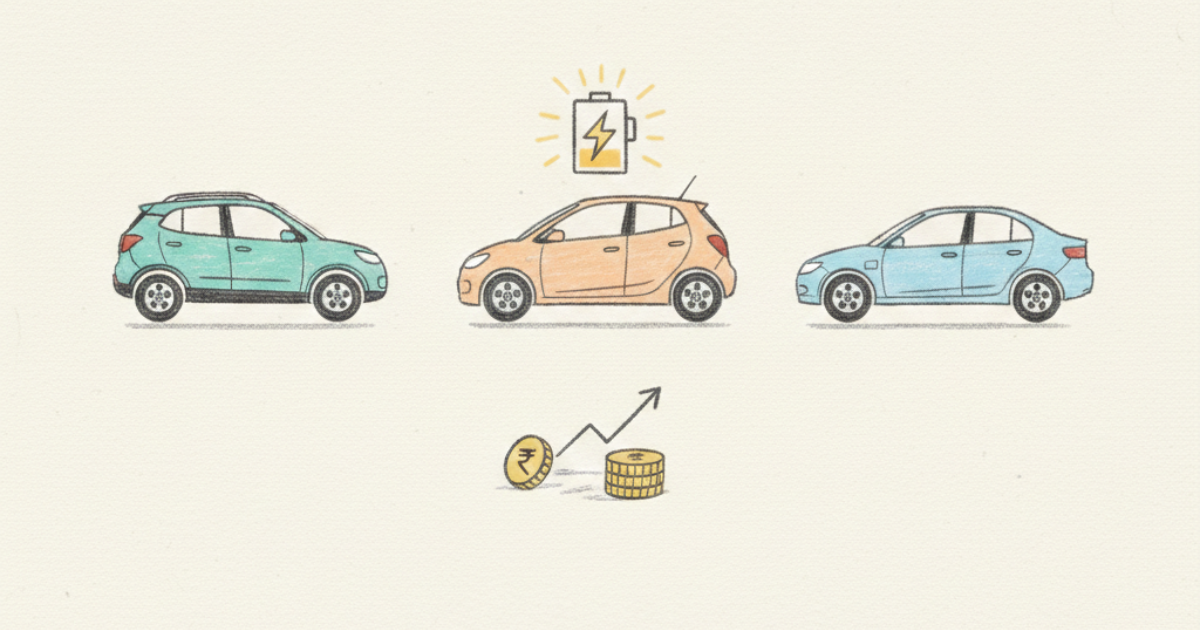
India’s electric vehicle (EV) market is entering a decisive phase in 2026. After years of premium launches and entry-level options, attention is now shifting to mid-range electric cars that promise better range, modern features, and practical pricing for middle-class buyers.
With fuel prices remaining high, charging infrastructure improving, and government support continuing, carmakers are preparing a fresh lineup of EVs aimed squarely at the mass market. These upcoming models are expected to bridge the gap between budget EVs and high-end electric cars.
Here is a clear and detailed look at new mid-range EV models expected in India, including price estimates, launch timelines, and why this segment matters now.
Why Mid-Range EVs Matter for India Right Now
India’s EV adoption has grown, but it is still limited by pricing.
Key reasons mid-range EVs are important:
- Budget EVs offer limited range
- Premium EVs remain expensive
- Urban buyers want daily-use electric cars
- Fleet and family buyers seek value
The mid-range segment, typically priced between ₹12 lakh and ₹20 lakh, is seen as the real growth engine for EVs in India.
What Is Considered a Mid-Range EV in India?
For Indian buyers, mid-range EVs usually offer:
- Range: Around 300–450 km (claimed)
- Price: Between ₹12 lakh and ₹20 lakh (ex-showroom)
- Body style: Hatchbacks, compact SUVs, and midsize SUVs
- Use case: Daily city use plus highway trips
This category suits urban families, professionals, and fleet operators.
Why Automakers Are Focusing on This Segment
Carmakers have learned from early EV launches.
Key drivers behind the shift:
- Battery costs are slowly declining
- Local manufacturing is increasing
- Charging networks are expanding in cities
- Demand is rising beyond early adopters
Manufacturers now see volume potential in the mid-range EV space.
Expected New Mid-Range EV Models in India
Several brands are preparing electric cars for Indian roads. While official confirmations vary, industry expectations point to multiple launches.
Tata Motors: Expanding Its EV Leadership
Tata Motors remains India’s largest EV seller and is expected to strengthen its position.
What to expect:
- New electric SUV models
- Improved battery technology
- Better real-world range
Expected price range: ₹12 lakh–₹18 lakh
Expected launch window: Late 2025 to 2026
Tata’s focus remains on affordability and wide service reach.
Mahindra Electric: New EV Platforms Incoming
Mahindra is working on dedicated electric platforms aimed at modern buyers.
Expected highlights:
- SUV-focused EVs
- Larger batteries than current models
- Connected features and safety upgrades
Expected price range: ₹15 lakh–₹20 lakh
Expected launch window: 2026
Mahindra’s EVs are likely to target buyers upgrading from petrol SUVs.
Maruti Suzuki: Entry into Mass EV Space
India’s largest carmaker is preparing its first mainstream EV for Indian buyers.
Key expectations:
- Strong focus on efficiency
- Practical design for families
- Wide dealership support
Expected price range: ₹13 lakh–₹16 lakh
Expected launch window: 2026
Maruti’s entry could significantly boost EV adoption.
Hyundai and Kia: More Options for Urban Buyers
Hyundai and Kia are expected to introduce new electric models below their premium EVs.
Likely features:
- Compact SUV design
- Improved charging speed
- Familiar interiors
Expected price range: ₹14 lakh–₹19 lakh
Expected launch window: 2025–2026
These models will focus on urban comfort and technology.
Expected Battery Range and Charging Details
Range remains a top concern for Indian buyers.
Most upcoming mid-range EVs are expected to offer:
- Claimed range: 350–450 km
- Fast charging: 10% to 80% in 45–60 minutes
- Home charging: 6–8 hours
Manufacturers are also improving battery cooling for Indian weather.
How Charging Infrastructure Supports These Launches
India’s charging network has grown steadily.
Recent trends include:
- More fast chargers on highways
- Increased installations in metro cities
- Public-private partnerships
While challenges remain, charging access is no longer the biggest barrier for city users.
Government Policies Supporting Mid-Range EVs
Policy support continues to play a role.
Key factors include:
- Lower GST on EVs compared to petrol cars
- State-level subsidies in select regions
- Registration and road tax benefits
These incentives help reduce the effective cost for buyers.
Running Cost Advantage Over Petrol Cars
Mid-range EVs are drawing interest due to lower running costs.
Estimated comparison:
- Electric cost per km: ₹1–₹1.5
- Petrol cost per km: ₹6–₹8 (approximate)
Over time, this difference matters for daily commuters.
What Buyers Should Keep in Mind
Upfront Cost vs Long-Term Savings
EVs may still cost more upfront, but:
- Fuel savings add up
- Maintenance costs are lower
- Fewer moving parts reduce service needs
Buyers planning long-term use may benefit more.
Real-World Range Matters More Than Claims
Experts advise buyers to:
- Check real-world range reviews
- Understand driving patterns
- Factor in air-conditioning usage
Claimed range often differs from actual performance.
Resale Value Still Developing
EV resale is improving, but:
- Battery health matters
- Brand trust plays a role
- Market maturity is still evolving
This is an area to watch closely.
How Mid-Range EVs May Change the Market
The arrival of multiple mid-range EVs could:
- Increase competition
- Improve feature offerings
- Push prices closer to petrol cars
This segment could decide how fast India moves toward electric mobility.
Challenges That Remain
Despite progress, some issues continue:
- Charging gaps in smaller towns
- Battery replacement costs
- Consumer awareness
Automakers and policymakers are working to address these.
What to Expect in 2026 and Beyond
Industry watchers expect:
- More launches across price bands
- Better localisation of EV components
- Gradual price correction
The mid-range EV market is likely to become more crowded and competitive.
Key Takeaways for Indian Buyers
- Mid-range EVs are coming in 2025–2026
- Prices are expected between ₹12 lakh and ₹20 lakh
- Range and charging speed are improving
- Choice will increase across brands
For many buyers, the wait may finally be worth it.
The next wave of electric cars in India will not be luxury models or basic city EVs. Mid-range electric vehicles are set to take centre stage, offering a balance of price, range, and practicality.
As new models arrive over the next year, Indian buyers will have more options than ever before. While challenges remain, the direction is clear: the future of everyday driving in India is steadily turning electric.
For consumers planning their next car purchase, 2026 could be a turning point.
Follow us on google news: Click Here