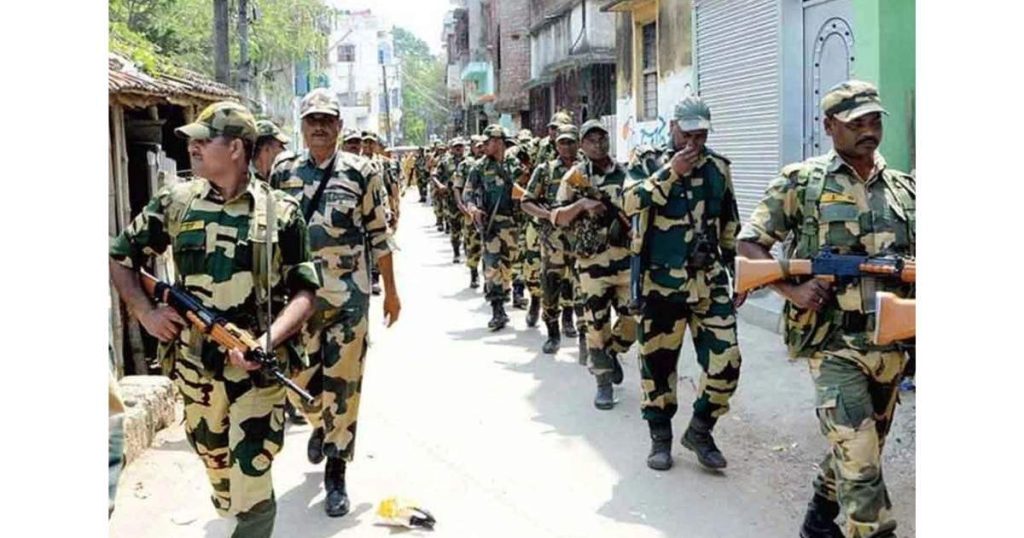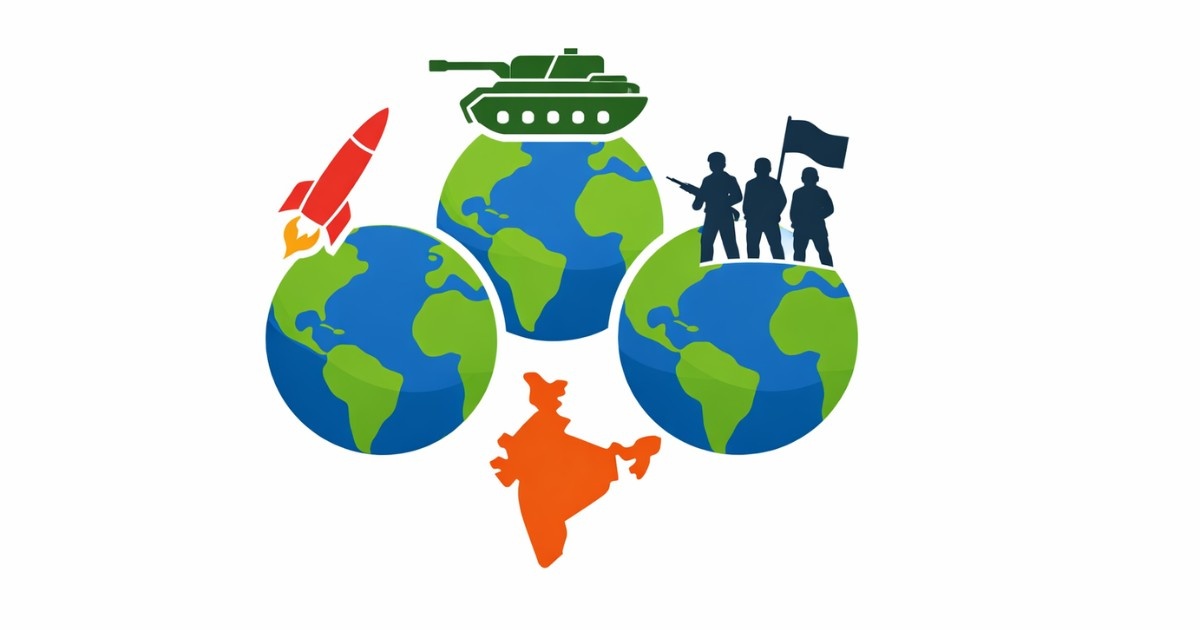
3 Global Conflicts 2026 including the Russia-Ukraine war, Middle East tensions, and China-Taiwan dispute could impact India’s energy prices, trade routes, defence planning, and economic stability.
The global security environment remains tense as multiple geopolitical crises continue into the new year. Policymakers, investors, and businesses are carefully tracking international developments that could influence trade, energy supply, and financial stability.
The 3 Global Conflicts 2026 are at the centre of this uncertainty. These conflicts are not distant headlines. They have direct and measurable consequences for India’s economy, inflation levels, defence strategy, and diplomatic positioning.
As 2026 progresses, the 3 Global Conflicts 2026 will likely remain key risk factors shaping India’s policy decisions and market outlook.
Why 3 Global Conflicts 2026 Are Crucial for India
India is one of the world’s fastest-growing major economies, but it is also deeply linked to global supply chains and energy imports. More than 80% of India’s crude oil is imported, making global stability critical for domestic price control.
The importance of the 3 Global Conflicts 2026 lies in their ability to influence:
- Oil and gas prices
- Shipping routes and freight costs
- Semiconductor supply chains
- Foreign investment flows
For India, managing the impact of the 3 Global Conflicts 2026 is not optional. It is central to economic stability in 2026.
1. Russo-Ukrainian War
Ongoing War With Global Consequences
The Russia-Ukraine war continues to shape geopolitical alignments and commodity markets. Sanctions and shifting alliances have altered global energy flows.
Even in 2026, this remains one of the most important components of the 3 Global Conflicts 2026.
Energy and Commodity Effects
The conflict has caused repeated fluctuations in:
- Crude oil benchmarks
- Natural gas supply
- Wheat exports
- Fertilizer prices
For India, oil price swings translate into higher import bills and inflationary pressure.
India’s Strategic Position
India has maintained a balanced diplomatic approach. While securing affordable energy supplies, it has also strengthened ties with Western partners.
Among the 3 Global Conflicts 2026, this war continues to have the most visible impact on global commodity markets.
2. Israel-Hamas War and Wider Middle East Tensions
Strategic Energy Corridor Under Watch
The Middle East remains central to global oil production. The Israel-Hamas conflict has created uncertainty in a region that supplies a significant portion of India’s crude oil.
This makes Middle East tensions a core part of the 3 Global Conflicts 2026.
Shipping and Trade Concerns
Shipping routes near the Red Sea and Gulf region are essential for global commerce. Rising tensions can increase:
- Freight costs
- Marine insurance premiums
- Delivery delays
Even limited disruptions can influence global oil benchmarks.
Domestic Economic Effects
For India, higher crude prices can increase:
- Petrol and diesel costs
- Airline ticket prices
- Transportation expenses
The 3 Global Conflicts 2026 therefore directly affect household budgets and business margins.
India also has a large expatriate population in Gulf nations. Stability in the region is important for employment security and remittance flows.
3. China-Taiwan tensions
Technology and Strategic Risks in Asia
Tensions in the Taiwan Strait remain one of the most closely watched global issues. Military exercises and political developments continue to raise concerns.
This situation forms the third pillar of the 3 Global Conflicts 2026.
Semiconductor Supply Chain Vulnerability
Taiwan plays a major role in global semiconductor manufacturing. Chips from the region are used in:
- Smartphones
- Automobiles
- Consumer electronics
- Industrial machinery
Any escalation could disrupt global production cycles.
Impact on India’s Growth Plans
India is expanding its electronics manufacturing sector. Stable semiconductor supply is critical for these ambitions.
The 3 Global Conflicts 2026 therefore have implications not just for energy but also for industrial growth.
India’s broader strategic engagement in the Indo-Pacific region also adds a security dimension to this tension.
Economic Implications of 3 Global Conflicts 2026
Fuel and Inflation
Oil prices remain the most immediate transmission channel. When global crude rises, domestic fuel prices often increase.
Higher fuel prices can lead to:
- Increased transport costs
- Rising food prices
- Pressure on household spending
The 3 Global Conflicts 2026 could therefore influence inflation trends throughout the year.
Trade and Logistics
India’s export sectors rely on predictable shipping routes. Disruptions can delay shipments and increase operating costs.
Industries affected may include:
- Pharmaceuticals
- Automobiles
- Engineering goods
- Electronics
The ripple effect of the 3 Global Conflicts 2026 could slow global trade growth.
Financial Market Sensitivity
Geopolitical uncertainty often leads to cautious investor behaviour.
This may result in:
- Volatility in equity markets
- Currency fluctuations
- Shifts in foreign investment
Indian markets tend to respond quickly to global developments tied to the 3 Global Conflicts 2026.
Security and Defence Outlook
Geopolitical instability often accelerates defence modernization.
India continues to strengthen domestic defence production and strategic partnerships. Monitoring the 3 Global Conflicts 2026 is essential for long-term security planning.
Regional developments in Asia, especially, may influence defence procurement and preparedness decisions.
Policy Response and Risk Management
India has taken steps to reduce vulnerability to external shocks:
- Diversifying oil import sources
- Expanding renewable energy capacity
- Building strategic reserves
- Strengthening domestic manufacturing
These measures aim to cushion the economy against disruptions linked to the 3 Global Conflicts 2026.
Global Diplomacy and India’s Role
India maintains strategic autonomy while engaging with major global powers. In a divided world, diplomatic balance becomes more important.
The evolving nature of the 3 Global Conflicts 2026 requires continuous diplomatic engagement.
India’s participation in international forums allows it to contribute to dialogue and stability efforts.
What Citizens Should Watch
For everyday consumers, the impact of the 3 Global Conflicts 2026 may appear in:
- Fuel price changes
- Airline fare adjustments
- Gold price fluctuations
- Electronics pricing
Even small global shifts can influence daily expenses.
A Defining Year for Global Stability
The 3 Global Conflicts 2026 represent critical geopolitical risks that could shape economic conditions worldwide.
For India, their impact spans energy security, trade stability, industrial growth, and defence planning.
As 2026 unfolds, close monitoring of the 3 Global Conflicts 2026 will remain essential. Strategic planning, economic resilience, and balanced diplomacy will determine how effectively India navigates a year marked by global uncertainty.
Also Read: 7 Powerful Top Entrance Exam Trends on Google Today: CUET, UPSC & Recruitment Updates Surge
Follow us on google news: Click Here